The Crile Wood Needle Holder: Precision in Every Suture
Wiki Article
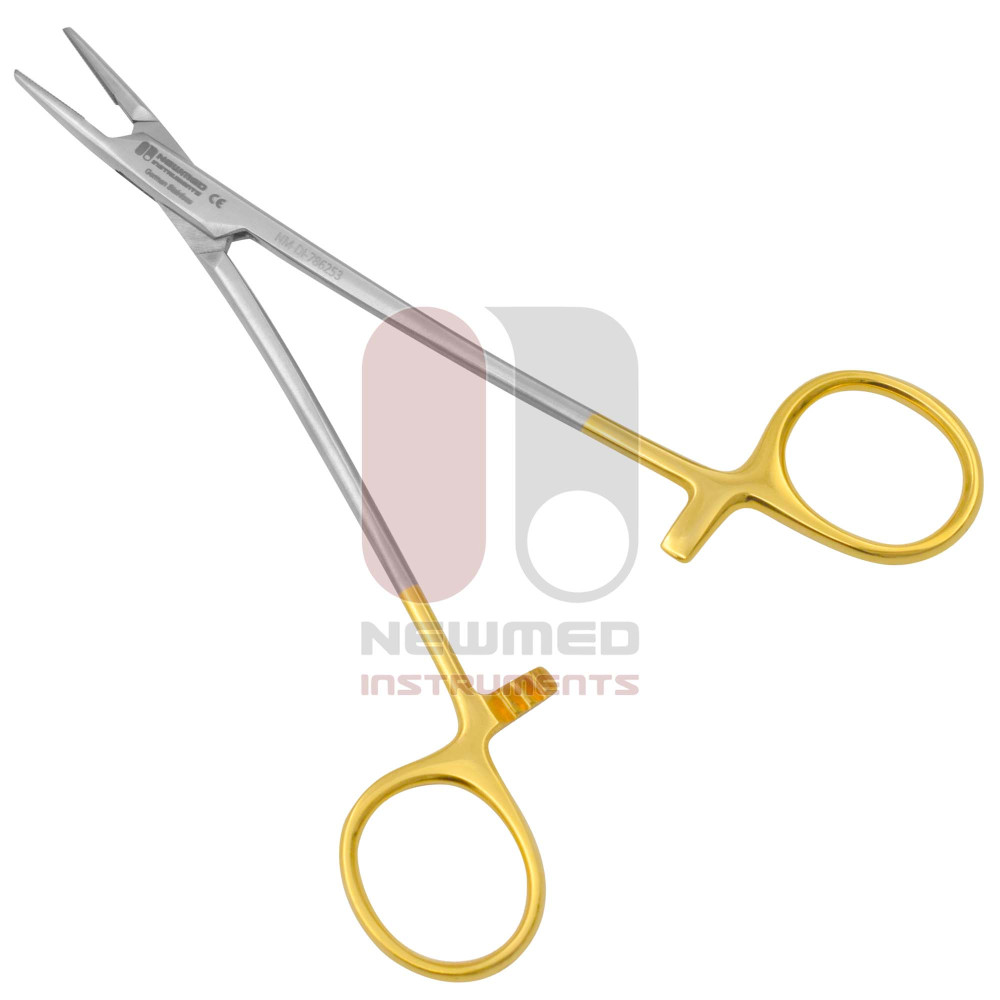
In the demanding world of surgical procedures, the quality of your instruments is paramount. Every movement must be precise, and every tool must function as a seamless extension of the surgeon's hands. Among the essential instruments in any surgical kit, the Crile Wood needle holder plays a critical role in ensuring accurate and secure suturing. This is where the specific design of an instrument can make a significant difference in both performance and outcome.
Understanding the Crile Wood Needle Holder
The Crile Wood needle holder is a specialized surgical instrument designed for grasping and driving needles through tissue during suturing. Its unique design combines features from two well-known patterns: the Crile and the Hegar. This instrument is distinguished by its finely serrated jaws, often featuring a longitudinal groove, which provides an exceptional grip on needles of various sizes. This secure hold prevents needle rotation or slippage, a common challenge that can compromise the accuracy of stitch placement.
Superior Grip and Control for Intricate Procedures
What sets this instrument apart is its remarkable ability to provide surgeons with superior control. The delicate, cross-hatchet dentistry serrations on the inner surfaces of the jaws ensure that the needle is held firmly, allowing for precise manipulation in even the most delicate tissues. This level of control is essential in a wide range of surgical disciplines, from general surgery to more specialized fields like cardiovascular and plastic surgery. The enhanced grip minimizes the force required from the surgeon, reducing hand fatigue during long and complex procedures.
The Importance of High-Quality Materials
For any surgical tool, the material composition is as important as its design. A high-quality Crile Wood needle holder is typically crafted from surgical-grade stainless steel. This material offers the ideal combination of strength, durability, and corrosion resistance. It ensures that the instrument can withstand repeated sterilization cycles without degrading, maintaining its integrity and performance over time. The robust construction guarantees that the fine details of the jaws remain sharp and effective, providing consistent reliability when it matters most.
Versatility Across Surgical Specialties
The versatility of the Crile Wood needle holder makes it an indispensable tool for a broad spectrum of medical professionals. Surgeons, surgical residents, and medical students all benefit from its ergonomic design and dependable functionality. Whether performing a routine closure or a complex reconstructive surgery, this needle holder adapts to the specific demands of the task. Its balanced weight and comfortable feel contribute to a more efficient and confident surgical workflow.
A Commitment to Surgical Excellence
Ultimately, the choice of a surgical instrument reflects a commitment to achieving the best possible patient outcomes. The Crile Wood needle holder embodies this principle by offering a perfect blend of precision, control, and durability. For healthcare professionals who value flawless technique and reliable tools, investing in a well-crafted instrument is a fundamental step. The meticulous design ensures that every suture is placed with accuracy, supporting the surgeon's skill and contributing to successful surgical results. At New Med Instruments, we understand this need and are dedicated to providing tools that meet the highest standards of performance and quality.
Conclusion
The Crile Wood needle holder is more than just a tool; it is a partner in precision. Its thoughtful design, superior gripping capability, and robust construction make it a cornerstone of the modern surgical toolkit. By enabling surgeons to perform with greater accuracy and confidence, this instrument plays a vital role in upholding the standards of excellence in patient care. For any professional seeking to enhance their surgical practice, understanding the value of such a refined instrument is key.
Report this wiki page